In 2026, the global luxury narrative has shifted its centre of gravity. While traditional markets in Europe and China navigate a “strategic renewal” following year of volatility, India has emerged as the industry’s most resilient growth engine. No longer just a "market of the future," India is now a core global pillar, with its luxury sector projected to cross $14–$15 billion this year.
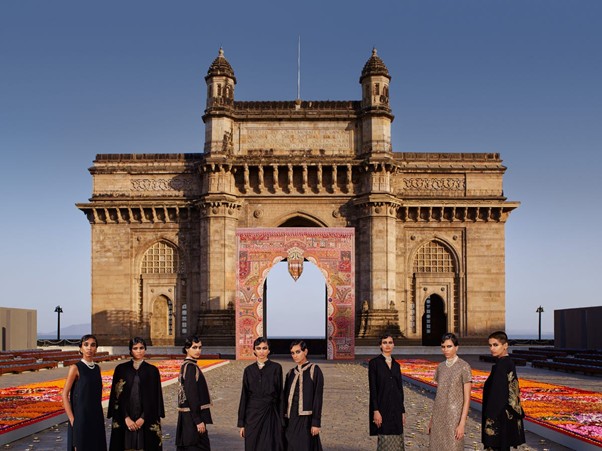
A market at the inflection point
While the global luxury market settles into a modest 2–4% growth rhythm, India is sprinting ahead with a projected 10–15% annual expansion. This surge is fueled by a rapid wealth explosion: India is on track to host over 1.2 million millionaires by 2027, adding nearly 30% of all new global middle-class consumers.
Key market performance indicators (2026)
- Total Market Valuation: Expected to reach $18 billion by the end of 2026, on its way to a staggering $85–$90 billion by 2030.
- The "HNWI" Surge: Over 100 million affluent Indians (earning over $10,000 annually) are expected to emerge by 2027, a 67% jump from just four years ago.
- The Investment Roadmap: Luxury residential real estate is a standout, with a forecasted 12–15% CAGR for HNI investments.
The 2026 strategic playbook: Trends to watch
The "loud luxury" of the past decade has given way to a more nuanced, experience-driven landscape.
-
Experiential Dominance: "Quiet luxury" and experiential
spending—encompassing wellness, fine dining, and bespoke travel—are growing
at a compound rate of nearly 78%. Ultra-luxury retreats like
Ananda now command upwards of ?2 lakh per night
without a softening in demand.
- The Wedding Economy: Luxury spending during the wedding season has eclipsed traditional festive periods like Diwali. A single destination wedding now averages ?90 lakh.
- The Resale Revolution: Sustainability is now a prerequisite. One in three diamond buyers chooses lab-grown stones, and 35% of Gen Z shoppers purchased second-hand luxury goods last year.
The consumer profile: The rise of Gen Z
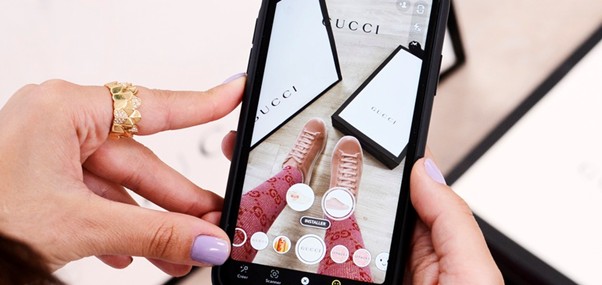
Gen Z drives nearly 48% of total spending in India’s top categories, prioritizing "shopcializing" via platforms like Instagram and TikTok.
The Bottom Line: In a world of slowing demand, India offers a rare trifecta of scale, speed, and sustained aspiration. For global luxury houses, 2026 isn’t just a peak—but a powerful new baseline for the future.